
Reflections for Harmony Week
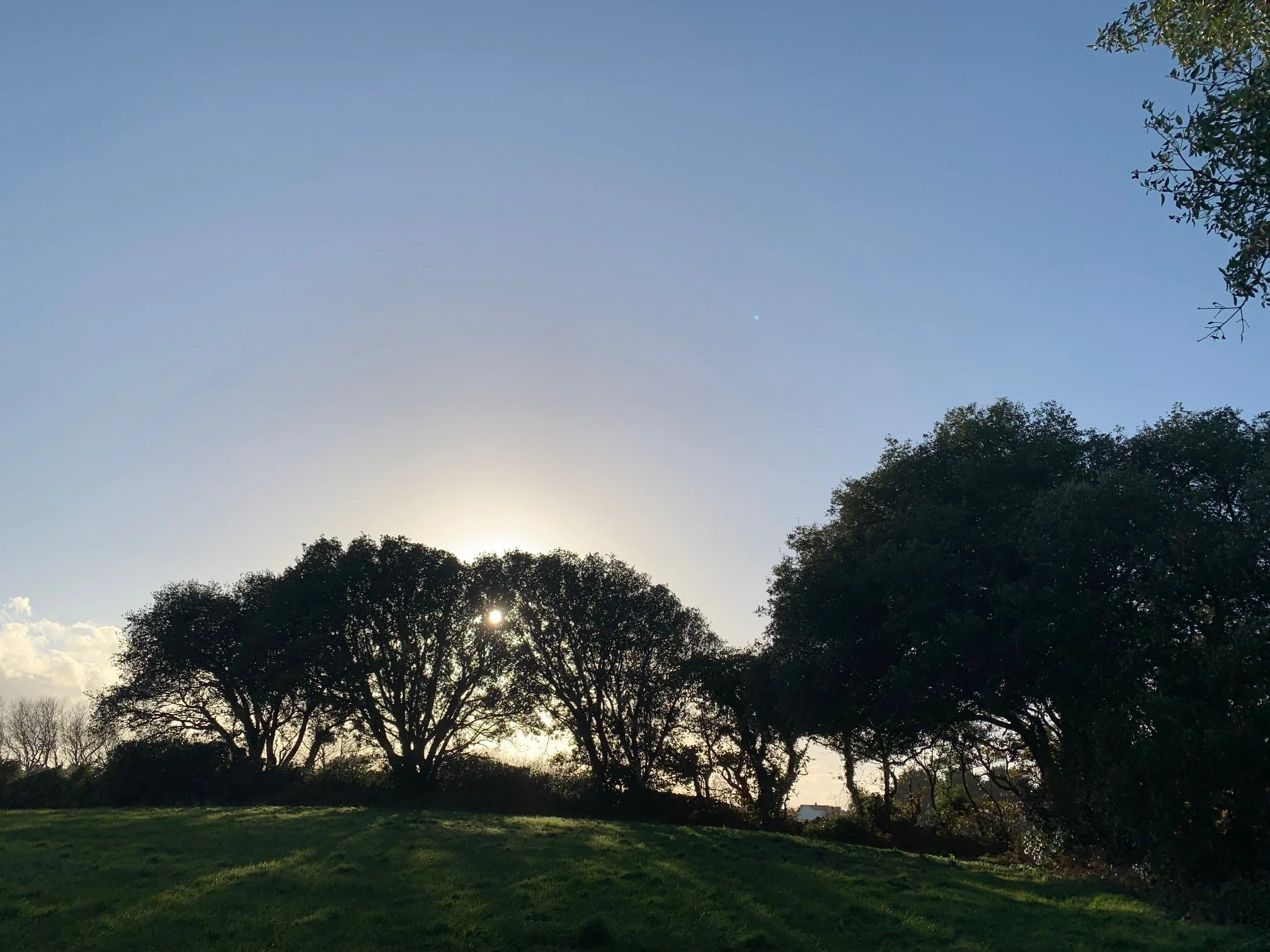
It feels slightly ironic to be writing about harmony at a time when the world feels unsettled, with many living in uncertainty and fear. And yet, perhaps it is in times like these that harmony matters most. Not as something distant, but as something we can begin to nurture within ourselves, allowing it to ripple outward as a gift to others.
Harmony is often something we look for around us. In our communities. In our relationships. In the wider world. But as I embrace the concept of life as pilgrimage, I realise that grounded harmony does not come from ‘out there’; it comes from within.
As a much younger woman, I had a habit of keeping the peace at any cost, often silencing my own honest feelings in the process. I avoided conflict wherever I could, choosing instead to carry a quiet unrest within me rather than risk it becoming visible. I told myself I would deal with it later. But ‘later’ rarely came.
Instead, that hidden disharmony would surface in unexpected moments, and often in response to something small, yet touching something much deeper that had been left unattended for far too long.
It has taken me time to realise that what I once thought was maintaining harmony was, in truth, something else entirely. It was not peace, but avoidance. Not harmony, but suppression. And over time, I began to see that what we carry within us does not remain contained. It shapes how we see others, how we respond, and the energy we bring to the spaces we inhabit.
This is something echoed across psychology, philosophy, spirituality, and even in our understanding of the body. Inner disharmony, when left unattended, does not disappear, but simply finds another way to be expressed. Like the times I have said ‘yes’ when I wanted to say ‘no’ and then held a quiet resentment that I didn’t know how to name. Or the physical pain in my body that I didn’t realise was trauma-related until I read Bessel Van Der Kolk’s words: The body is physically restricted when emotions are bound up inside.1
Slowly, I began to understand that honesty within myself was not something to fear, but something to learn. And as I become more aware of my own inner world, I find I am able to meet others with a little more patience, and a little less judgement.
Another of life’s great disruptors is change, especially when it carries a sense of loss. I’ve come to realise that it is often my response to change that shapes the level of disharmony I experience within it. Grief, of course, needs to be honoured and processed, but I am also learning that it is possible to make space for change at the same time. In many ways, this is what allows healing to begin.
The person we become through significant change is not the same as the one we were before. It can feel comforting to try to think, behave, and decide as we always have. But over time, this only deepens the sense of inner tension, because we are no longer aligned with who we are becoming.
And often, this quiet resistance is more painful than the change itself.
There is something gentler, and ultimately more life-giving, in allowing change to have its place and trusting that it is slowly shaping us.
Perhaps harmony truly begins, not in managing what is around us, but in gently nurturing what is within us. Because in the end, the way we live within ourselves becomes the way we meet the world.
And perhaps part of the work of pilgrimage is not only learning how to grieve what has been lost, but also how to gently welcome who we are becoming.

1. Van Der Kolk, B. (2015). The body keeps the score: Brain, mind, and body in the healing of trauma. New York: Penguin Books.